


Every child knows the swimming rule: Don’t jump into unknown waters – especially not head first.
And yet, every year it happens.
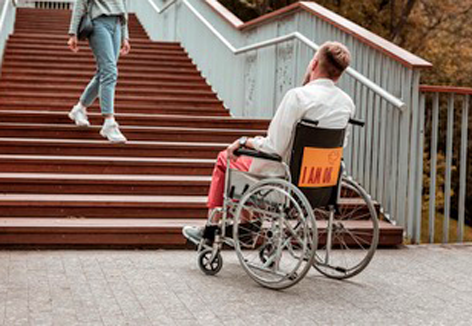
Jumping into unknown waters is the most common reason for sports-related accidents leading to paraplegia, tetraplegia, And sometimes death.
How severe the consequences are, depends on the location of the injury:
• impaired sensation and movement
• paralysis of legs = paraplegia 🧑🏽🦽
• paralysis of legs and arm = tetraplegia 👨🏼🦼
• in the worst cases, the person can no longer breathe on their own.
According to the Swiss Society of Paraplegics @paraplegie
🆘 Carelessness, overconfidence and alcohol are often involved.
🆘 And leads to an incorrect assessments of the depth of the water.
🆘 Most people affected are young men between 16 and 30 years.
Making a statement about safe water depth for diving is difficult because it depends on body size, weight, and jumping speed. Even for a shallow dive, a water depth of at least two meters is required.
Teach your children and your teenagers how to stay safe when doing headers and jumping into water:
➡️ Do not jump into unknown or unclear water.
➡️ Check the depth of the water before jumping into a lake, river, basin or the sea.
➡️ Do not jump into shallow water.
➡️ No dares not jump into unknown or murky water.
➡️ Do not use drugs or alcohol while bathing.
➡️ Check and follow any warning signs.
I know that this is scary but knowledge protects. PLEASE share this post with as many as possible to help prevent accidents like this to happen.

